

-
September 22, 2026
How Often Should You Test and Tag Equipment?
Why Electrical Safety Starts With Testing and Tagging
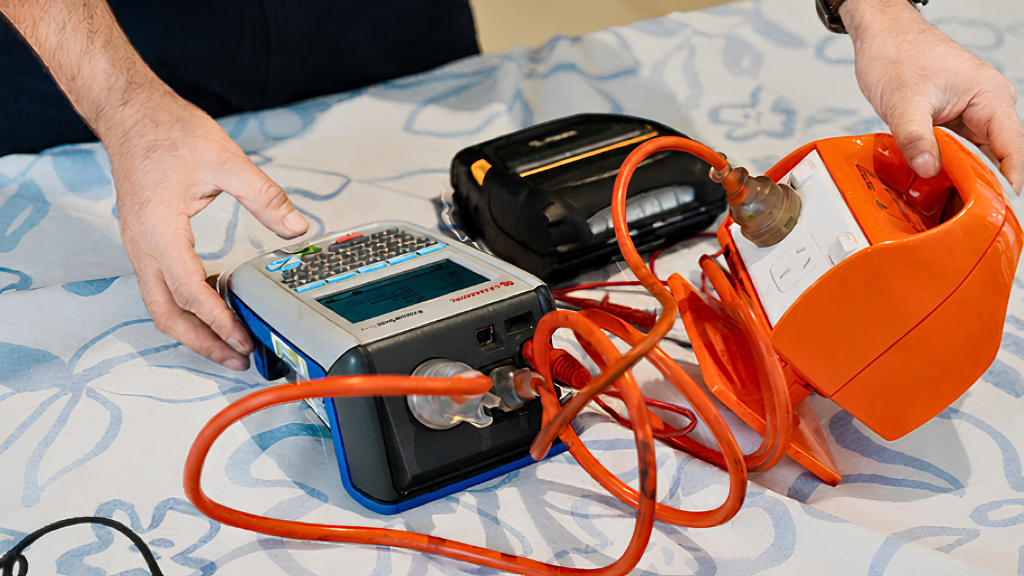
Every year, faulty electrical equipment contributes to workplace incidents across Australia—many of which are entirely preventable. That’s where testing and tagging comes in. This essential safety process involves a systematic inspection and electrical evaluation of portable appliances, cords, plugs, and extension leads to verify they’re safe for use in commercial, industrial, and construction environments. From a busy Sydney warehouse to a remote mining site in Western Australia, consistent testing and tagging practices help safeguard workers, reduce liability risks, and ensure compliance with national safety standards.
This guide will take you through the fundamentals of how often you should test and tag your equipment based on environment type, usage frequency, and industry regulations. You’ll learn how different workplaces—such as offices, factories, and construction sites—follow varying intervals, why visual inspections matter just as much as electrical tests, and how a well-managed tagging system can streamline compliance. Whether you’re managing a small business fleet or overseeing equipment across multiple sites, understanding these protocols is a critical part of maintaining a safe and productive workplace.
Understanding Risk-Based Testing Frequencies
Knowing how often to test and tag electrical equipment starts with accurately classifying your workplace’s risk level. In low-risk environments—such as offices, retail spaces, or air-conditioned administrative areas—electrical items experience minimal wear and are less likely to be damaged. For these settings, testing and tagging every 18 months to 5 years is generally sufficient, depending on equipment type and usage patterns.
Medium-risk environments, including workshops, schools, and hospitality venues, involve more frequent handling of electrical tools and extension leads. These conditions increase the chance of damage or fault. In such locations, a 12-month testing cycle is typically recommended to maintain compliance and safety.
High-risk environments, like construction sites, manufacturing plants, mining operations, and outdoor agricultural settings, expose equipment to harsh conditions—moisture, dust, heat, and physical stress. Here, 3 to 6-month intervals are critical to catch faults early and prevent electrical incidents.
Regular reassessment of your workplace conditions ensures your testing schedule remains aligned with actual risk. Documenting each inspection not only meets compliance standards but also builds a proactive safety culture across sites in Sydney, Melbourne, Brisbane, and beyond.
5 Essential Testing Intervals for Common Workplace Equipment
Understanding how often to test and tag electrical equipment isn’t just about compliance—it’s about ensuring ongoing safety in any workspace. Different tools and appliances carry varying levels of risk, which directly impacts how frequently they should be inspected and certified. Here’s a breakdown of recommended testing intervals for five common equipment types.
- Power Tools (Handheld Drills, Sanders, Grinders)
These high-risk items should be tested every 6 months, especially in harsh environments like construction sites or workshops across Sydney, Melbourne, or Brisbane. Frequent handling increases wear and damage risks, making biannual checks essential for insulation integrity and earthing. - Extension Leads and Power Boards
Exposed to constant plugging/unplugging and potential tripping hazards, these should also be tested every 6 months. Inspect for damaged insulation, overheating signs, and secure connections—common failure points in busy office or retail settings. - Fixed Appliances (Heaters, Microwaves, Kettles)
Used regularly in staff rooms or cafes, these require tagging every 12 months. Their stable positioning reduces risk, but regular testing ensures ongoing earth continuity and leakage protection. - IT Equipment (Computers, Monitors, Printers)
Low-risk due to double insulation, these typically need testing every 5 years. However, environments with high dust or moisture may require more frequent checks. - Construction Site Equipment
Subject to tough conditions, all electrical gear on building sites should be tested every 3 months. Portable tools, cables, and site cabins fall under this high-frequency category to prevent electrical incidents.
How Usage Frequency Determines Your Testing Schedule
Understanding how often electrical equipment is used is key to maintaining safety and compliance across workplaces in Australia. Different usage patterns—daily, weekly, or occasional—directly influence how frequently testing and tagging should occur. High-usage tools, like power drills or extension leads on busy construction sites, endure more wear and tear and demand more rigorous inspection cycles. Equipment used daily should typically be tested every 3 to 6 months to ensure ongoing safety and performance.
Moderate-use items, such as office-based appliances or machinery used weekly, generally require testing every 12 months. Meanwhile, low-usage or occasional-use equipment—like seasonal tools or emergency backup devices—can often be tested every 24 to 36 months. However, environmental conditions like moisture, dust, or extreme temperatures can shorten these intervals, regardless of use frequency.
To optimise safety and compliance:
- Assess equipment usage intensity—not just frequency
- Adjust testing schedules based on environmental stressors
- Maintain clear tags and records to track testing history
- Train staff to visually inspect equipment before each use
Regular, usage-based testing ensures equipment remains safe, avoids workplace downtime, and supports compliance with AS/NZS 3760 standards across New South Wales, Queensland, and other regions.
Common Questions About Test and Tag Requirements
How often should electrical equipment be tested and tagged?
The frequency depends on the environment and equipment type. In high-risk workplaces like construction sites or industrial settings, testing every 3 to 6 months is standard. Offices and low-risk areas may require testing only once every 12 months. Always assess workplace conditions and usage patterns to determine the right schedule.
Is testing and tagging legally mandatory in Australia?
Yes, under WHS regulations, businesses must ensure electrical equipment is safe for use. While the law doesn’t prescribe exact timelines, compliance is enforced through industry standards and regular audits, especially in states like NSW, VIC, and QLD.
What equipment needs to be tested and tagged?
Any portable electrical device connected via a plug, including extension leads, power boards, drills, kettles, and photocopiers. Fixed machinery and hardwired equipment are generally not included.
Who can perform test and tag procedures?
Only trained and competent personnel, such as licensed electricians or certified technicians, should carry out testing. Visual inspections and equipment knowledge are as critical as the electrical tests themselves.
What happens if equipment fails a test?
Failed items must be immediately removed from service, visibly tagged as unsafe, and either repaired by a qualified person or decommissioned.
Do I need to keep test and tag records?
Yes—maintaining a log helps demonstrate due diligence during workplace audits and ensures timely retesting. Digital records are efficient and easy to manage.
How can I streamline test and tag across multiple sites?
Use a consistent tagging system, schedule recurring tests, and centralize records to track compliance across all locations efficiently.
Create a Testing and Tagging Compliance Checklist in 5 Steps
Stay ahead of safety obligations with a structured testing and tagging checklist that keeps your worksite compliant and your team protected. Follow these five practical steps to build an effective tracking system tailored to your business size and industry needs.
- Identify Equipment Requiring Testing
Catalog all portable electrical devices used across your site—this includes power tools, extension leads, RCDs, and office equipment. Classify items based on usage frequency and environment (e.g., construction, warehouse, office) to prioritise high-risk tools. - Determine Test Frequencies Based on Risk
Follow regulatory guidelines to assign testing intervals. High-risk environments like construction sites may require checks every 3 months, while low-risk office equipment might only need inspection annually. - Design a Digital or Physical Tracking Template
Use a spreadsheet or compliance software to log equipment ID, test date, next due date, and inspector details. Include fields for pass/fail results and notes on damage or repairs. - Apply Visible Tags After Each Test
Affix durable tags to equipment showing the test date and next due date. This supports quick visual verification on-site and helps workers identify safe-to-use tools. - Schedule Routine Audits and Reminders
Set automated alerts or calendar reminders for upcoming tests. Monthly site audits ensure no device is overlooked and support continuous compliance in Melbourne, Sydney, Brisbane, and beyond.
Stay Safe and Compliant with a Proactive Testing Schedule
Regular testing and tagging isn’t just a regulatory checkbox—it’s a critical component of workplace safety and long-term compliance. By now, you understand that the frequency of testing depends on the equipment type and the environment in which it’s used. High-risk settings like construction sites or outdoor operations in Australian climates require more frequent inspections—often every 3 to 6 months—while office environments may only need annual checks. Visual inspections by competent staff should happen even more regularly, helping catch damaged cords, cracked casings, or faulty plugs before they become hazards.
Remember, consistent documentation is just as important as the test itself. Maintaining clear, up-to-date records not only proves compliance during audits but also helps track equipment lifespan and performance trends. Tagged equipment with visible, legible labels makes it easy for anyone on-site to verify safety status at a glance.
To stay ahead, create a customized testing schedule based on your industry standards and risk assessments. Review it quarterly, train staff on basic visual checks, and partner with qualified technicians for formal testing. Don’t wait for an incident to expose a gap—make equipment safety a daily priority. Your team’s well-being and your business’s reputation depend on it. Start organizing your testing plan today—safety is always in season.