

-
September 22, 2026
Find Certified Test and Tag Electricians
Why Certified Test and Tag Electricians Are Non-Negotiable for Workplace Safety
Every year, faulty electrical equipment contributes to workplace incidents that could have been prevented with proper maintenance. In environments across Australia—from construction sites and manufacturing floors to offices and schools—electrical safety isn’t just a recommendation; it’s a legal obligation. That’s where certified test and tag electricians come in. These qualified professionals perform critical checks to ensure that every portable electrical appliance, power tool, and extension lead is safe to use, reducing the risk of electric shock, fire hazards, and equipment failure.
Testing and tagging involves both visual inspections and electrical testing using calibrated tools to detect insulation resistance, earth continuity, and polarity issues. Only certified electricians have the training and equipment to carry out these checks accurately and in compliance with AS/NZS 3760 standards. Choosing uncertified or unqualified personnel may seem cost-effective but can lead to non-compliance, unsafe workplaces, and potential liability.
By engaging a certified professional, businesses not only protect their teams but also meet insurance and regulatory requirements. In this guide, you’ll learn how to identify qualified electricians, what standards apply in your industry, and the best practices for maintaining a safe, compliant workplace—no matter your location.
Verify Licensing Credentials in 3 Clear Steps
Ensuring your electrician holds valid and current licensing is crucial for safety and compliance, especially when it comes to test and tag services across Australia. Follow these steps to confidently verify credentials and protect your worksite.
1. Confirm a Valid Licence Number
Ask the electrician for their official licence number, then visit your state electrical regulatory authority’s website—such as Energy Safe Victoria or WorkCover NSW—to check its authenticity. Enter the number directly into the public register to confirm it’s active and matches the individual providing services.
2. Match the Licence Class to the Job Scope
Not all electrical licences are the same. Ensure the electrician holds the correct class—such as Restricted Electrical or A-Class Licence—specifically covering test and tag procedures. This ensures they’re legally authorised to perform equipment safety inspections and electrical continuity testing.
3. Check Expiry and Renewal Status
Licences require periodic renewal. Confirm the expiry date is current and there are no lapses or suspension notices. Out-of-date credentials mean the electrician isn’t legally permitted to work.
Pro tip: Always keep a copy of verified credentials on file, especially for workplace audits or compliance checks in NSW, QLD, or VIC workplaces.
Why Calibration Accuracy Is Non-Negotiable in Test and Tag Operations
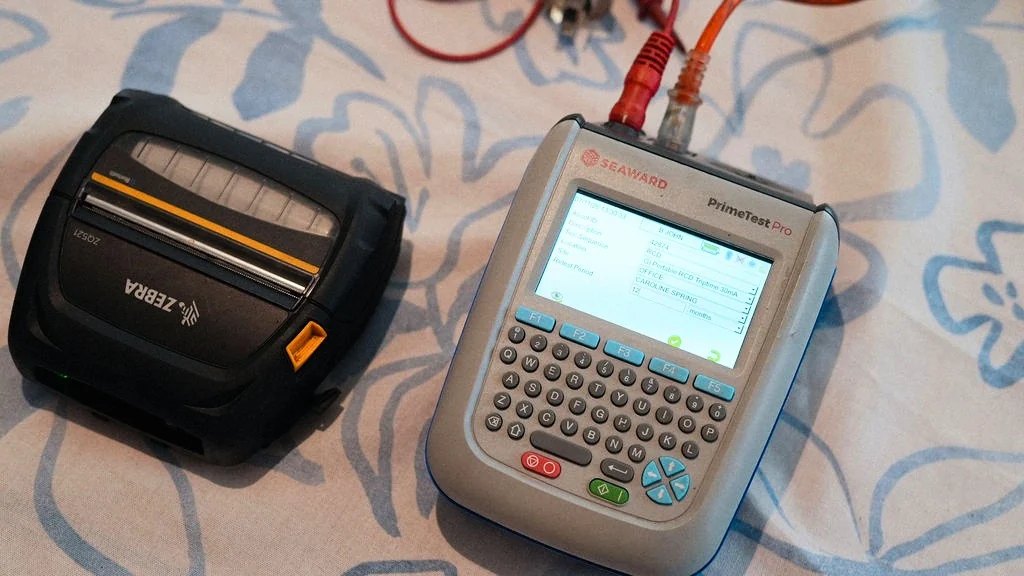
When ensuring electrical equipment is safe for use, precision matters—especially when it comes to the tools used in testing. Calibration standards are the backbone of reliable test and tag outcomes, guaranteeing that measurement devices such as portable appliance testers (PAT) deliver consistent, accurate results over time. Using out-of-calibration equipment can lead to false passes or fails, putting workers at risk and increasing liability for businesses across Australia.
Regular calibration ensures compliance with AS/NZS 3760:2022, the essential standard for in-service safety inspection and testing of electrical equipment. Devices must be checked against certified reference standards, typically traceable to the National Measurement Institute (NMI), to maintain integrity. Skipping updates or using outdated equipment may seem cost-effective short-term but can result in non-compliance during audits, failed safety inspections, or workplace incidents.
To stay compliant and confident:
- Schedule regular calibration intervals based on usage and manufacturer recommendations
- Use only test equipment with current calibration certificates
- Verify calibration traceability to national standards
- Keep detailed records accessible for site audits or WHS inspections
Businesses in Sydney, Melbourne, Brisbane, and regional areas must prioritise up-to-date tools to protect their teams and meet local regulatory expectations. Trusted test and tag practices start with trustworthy measurements—always confirm your electrician uses freshly calibrated, industry-compliant gear.
5 Essential Compliance Checks Every Business Must Verify with Test and Tag Reporting
Ensuring electrical safety in the workplace isn’t just about passing a visual inspection—it’s about meeting strict compliance standards that protect both people and property. Understanding the key requirements of AS/NZS 3760 and how proper reporting supports accountability can help businesses across Australia maintain legal, safe, and efficient operations.
- Adherence to AS/NZS 3760:2022 Standards
This is the benchmark for electrical equipment testing. Certified electricians follow this standard to conduct inspection intervals based on equipment type and work environment—critical for sites in Melbourne, Sydney, and regional QLD where workplace conditions vary widely. - Clear Equipment Classification
Each item must be classified by risk level (e.g., Class I or II) and environment (construction, office, wet areas). Accurate classification determines test frequency and safety protocols. - Detailed Recordkeeping with Audit Trails
A compliant report logs equipment ID, test results, inspector name, and date. These records are vital during WHS audits and provide proof of due diligence. - Visible Pass/Fail Tagging
After testing, each device receives a durable, colour-coded tag indicating the test date and next due date—making it easy for site supervisors to verify safety status. - Digital Reporting Access
Modern test and tag services offer cloud-based reports that allow managers in Brisbane or Perth to review, download, and store safety data securely—boosting transparency and ongoing compliance.
Common Questions When Hiring Certified Test and Tag Electricians
Why is it important to hire a certified electrician for test and tagging?
Certified professionals are trained and licensed to perform electrical safety checks in compliance with Australian standards. They understand the technical requirements of AS/NZS 3760 and can accurately identify hazards that unqualified individuals may miss. Using a certified electrician ensures your equipment assessments are legally valid and workplace-safe.
How often should equipment be tested and tagged?
Testing frequency depends on the work environment. High-risk sites like construction zones require checks every 3 months, while office environments may only need annual testing. A certified electrician can assess your site classification and recommend a compliant schedule tailored to your operational needs.
What equipment needs to be tested and tagged?
All portable electrical devices connected via a plug should be included—this covers extension leads, power tools, computers, kettles, and photocopiers. Certified electricians follow strict criteria to determine which items fall under mandatory testing.
Do test and tag electricians provide paperwork and records?
Yes, a key part of the service includes issuing asset registers, test logs, and compliance tags. These documents are essential for audit readiness and demonstrating due diligence in workplace safety, especially in NSW, QLD, and VIC.
Can I conduct test and tagging myself with a portable tester?
While basic testers exist, only a licensed electrician can legally issue compliant test results. DIY testing lacks certification and may overlook critical faults, increasing liability risks.
How do I verify an electrician’s certification?
Ask for their license number and verify it through official state licensing bodies. Certified professionals willingly provide proof of credentials and insurance coverage.
Is on-site test and tagging available, and is it efficient?
Most certified electricians offer mobile services, conducting tests at your location with minimal downtime. They bring calibrated equipment and can tag hundreds of items in a single visit, streamlining compliance across large facilities.
Why Your Next Move Matters in Electrical Safety
Choosing the right professional for test and tag services isn’t just a compliance checkbox—it’s a critical decision that impacts workplace safety, legal liability, and operational efficiency. Cutting corners can lead to faulty equipment going undetected, increasing the risk of electrical fires, injuries, or workplace shutdowns. That’s why due diligence isn’t optional; it’s foundational.
When evaluating electricians, always verify certifications, industry-specific training, and experience with your type of equipment. A qualified technician will follow AS/NZS 3760 standards, use calibrated testing tools, and provide clear documentation after each inspection. Don’t hesitate to ask about their testing procedures, reporting methods, and how they handle failed items.
To protect your team and assets:
- Confirm the electrician holds current credentials for test and tag work
- Ensure they carry appropriate insurance for electrical services
- Request sample reports to assess clarity and detail
- Prioritize professionals with local experience in your region
Taking these steps ensures peace of mind and strengthens your safety culture. Your commitment to hiring certified experts directly contributes to a safer, compliant environment.
Ready to safeguard your workspace? Begin by reviewing qualified professionals in your area who specialise in electrical test and tag compliance.